
Blog – Page 3
Why Every MCP Setup Needs a Gateway — And How I Built a Course to Prove It
Obot on Udemy: Learn how to deploy an AI MCP Gateway and understand the architecture behind secure, governed, and observable AI systems using MCP principles.
Read More
AI Governance Trends 2026: What Enterprise Teams Need to Know
Explore the top AI governance trends shaping 2026, from EU AI Act compliance and shadow AI to agent oversight and enterprise risk management.
Read More
Announcing Obot Platform v0.23.0: A Reworked UI, an LLM Gateway for Coding Agents, and GitOps for Multi-User Servers
Obot v0.23.0 brings deeper agent integration with an LLM Gateway, MCP server discovery, GitOps workflows, enterprise licensing, and a streamlined UI.
Read More
The Client Zoo Problem: Why Enterprise AI Needs Central Skills Management
As AI clients multiply, enterprise knowledge gets trapped in silos. See how centralized skills management helps teams govern, distribute, and reuse AI workflows.
Read More
How to Build and Publish a Skill Your Whole Team Can Use
See how Obot helps organizations manage AI skills at scale with centralized governance, Git-based publishing, access controls, and seamless installation across AI clients.
Read More
Announcing Obot Platform v0.22.0: Centrally Managed Skills, Fleet Scanning, and Enterprise Controls for MCP
Explore the Obot MCP platform's v0.22.0 release, aimed at reducing duplicate efforts across various AI clients and skills.
Read More
MCP Security Has Gone Mainstream
MCP governance is rapidly becoming a top concern for enterprise security, legal, and procurement teams. Learn the four operational controls organizations need to manage AI agents and connectors securely.
Read More
MCP Security: Inside the Rising Crisis of Exposed Agent Credentials
Discover essential practices for enhancing MCP security and safeguarding your systems effectively. Read the article for practical insights and strategies.
Read More
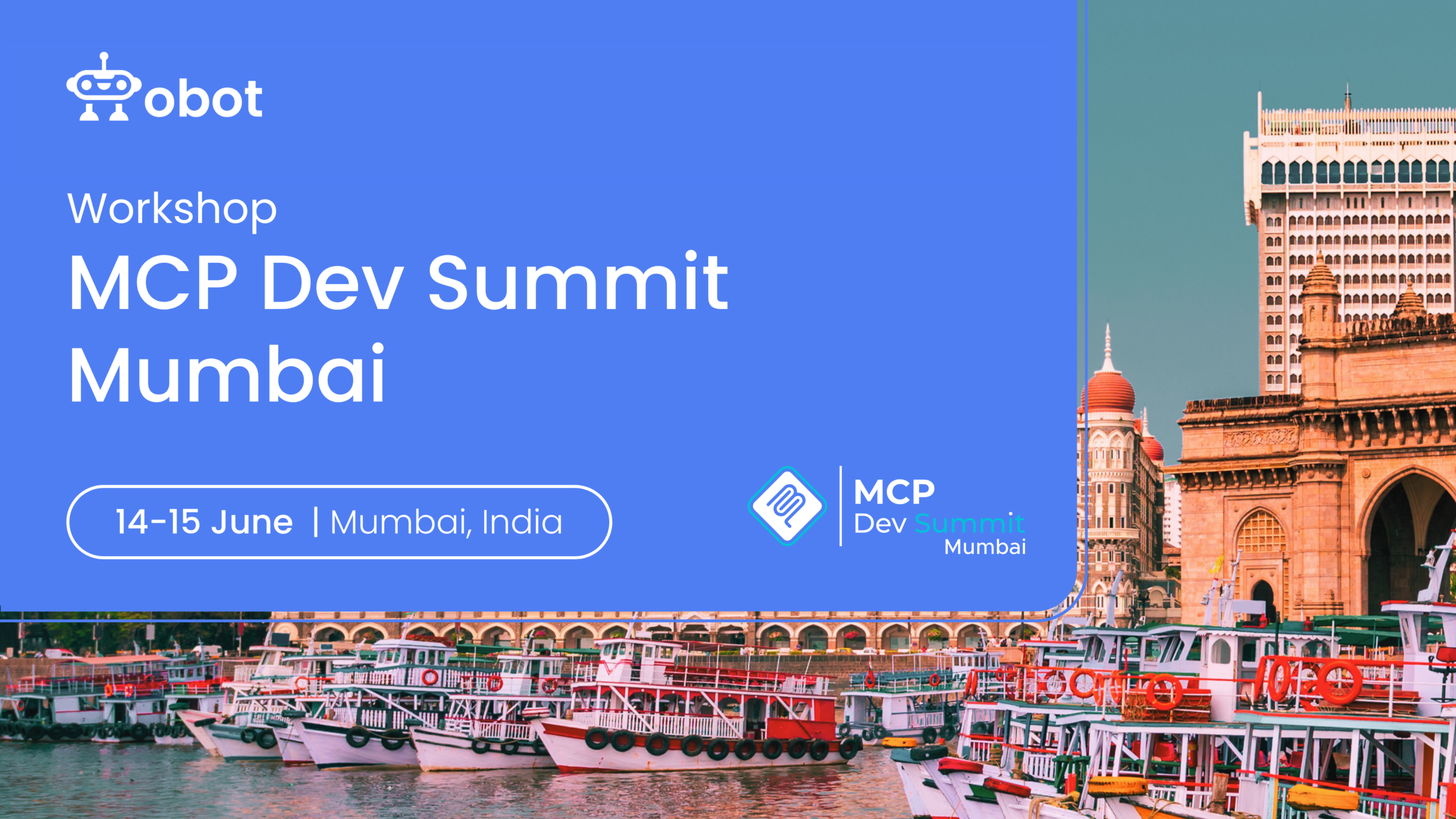
MCP Dev Summit Mumbai
Join Obot at MCP Dev Summit Mumbai on June 14, 2026 for a hands-on workshop on enterprise MCP authentication, identity, and governance. Register now.
Read More
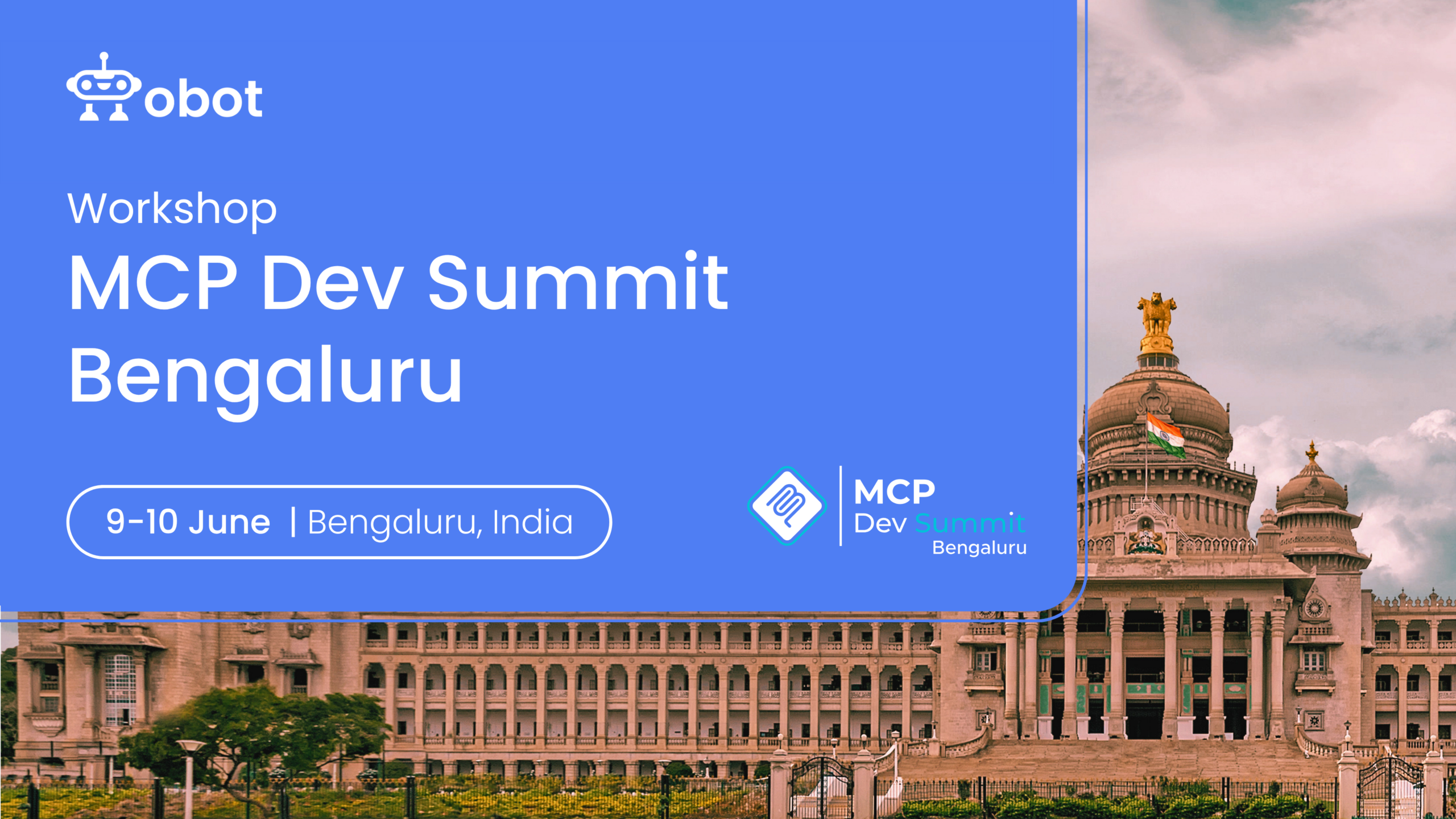
MCP Dev Summit Bengaluru
Join Obot at MCP Dev Summit Bengaluru on June 9, 2026 for a hands-on workshop on enterprise MCP authentication, identity, and governance. Register now.
Read More
MCP Gateway: The Solution to MCP Sprawl
Discover essential insights on the MCP Gateway, including its features, benefits, and how it can benefit your operations. Read more to stay informed.
Read More
Introducing the Obot MCP Gateway Hosted Platform
Obot's Hosted MCP Gateway gives every team a dedicated environment for real workflows, secure AI agent connections, and enterprise governance. Try it out for free today.
Read More