
Obot Learning Center – Page 5
Prompt Engineering in ChatGPT: 9 Proven Techniques
What Is Prompt Engineering in ChatGPT? Prompt engineering involves crafting inputs (prompts) that guide a large language model (LLM) to generate desired outputs. It’s a skill that combines understanding of natural language processing, creativity, and strategic thinking to communicate with the model. Prompt engineering can transform vague requests into precise commands that the AI interprets […]
LLM Application Development: Tutorial & 7 Steps to Production Apps
LLM application development involves creating software applications that leverage LLMs like OpenAI GPT or Meta LLaMA to generate, or manipulate natural language.
Open LLM Leaderboard: Benchmarks, Model Types & Filters Explained
Explore the LLM Leaderboard to compare open-source Large Language Models and chatbots on various benchmarks and evaluation metrics.
Anthropic Claude 3: The Basics and a Quick API Tutorial
Explore the capabilities of Anthropic Claude, the latest in large language models featuring Claude 3 and its three editions.
MCP Call Filtering: Stopping Prompt Injection and Securing Enterprise AI
As enterprises adopt Model Context Protocol (MCP) to connect AI agents and tools with internal systems, one of the biggest risks they face is untrusted or unsafe tool calls. Without safeguards, a malicious prompt, injected instruction, or poorly validated request could trigger dangerous behavior—such as exposing sensitive data, running unauthorized actions, or even spreading malware. […]
LLM Security: Top 10 Risks, Impact, and Defensive Measures
What Is LLM Security? LLM security focuses on safeguarding large language models against various threats that can compromise their functionality, integrity, and the data they process. This involves implementing measures to protect the model itself, the data it uses, and the infrastructure supporting it. The goal is to ensure that these models operate as intended […]
Mistral 7B: Basics, Benchmarks, and How to Get Started
Explore Mistral 7B, a powerful language model with 7.3 billion parameters, offering exceptional performance for AI research.
Anthropic Claude: Features, Benchmarks, Versions & API Tutorial
Explore Anthropic Claude, an advanced AI language model designed for safety, steerability, and human-like text generation.
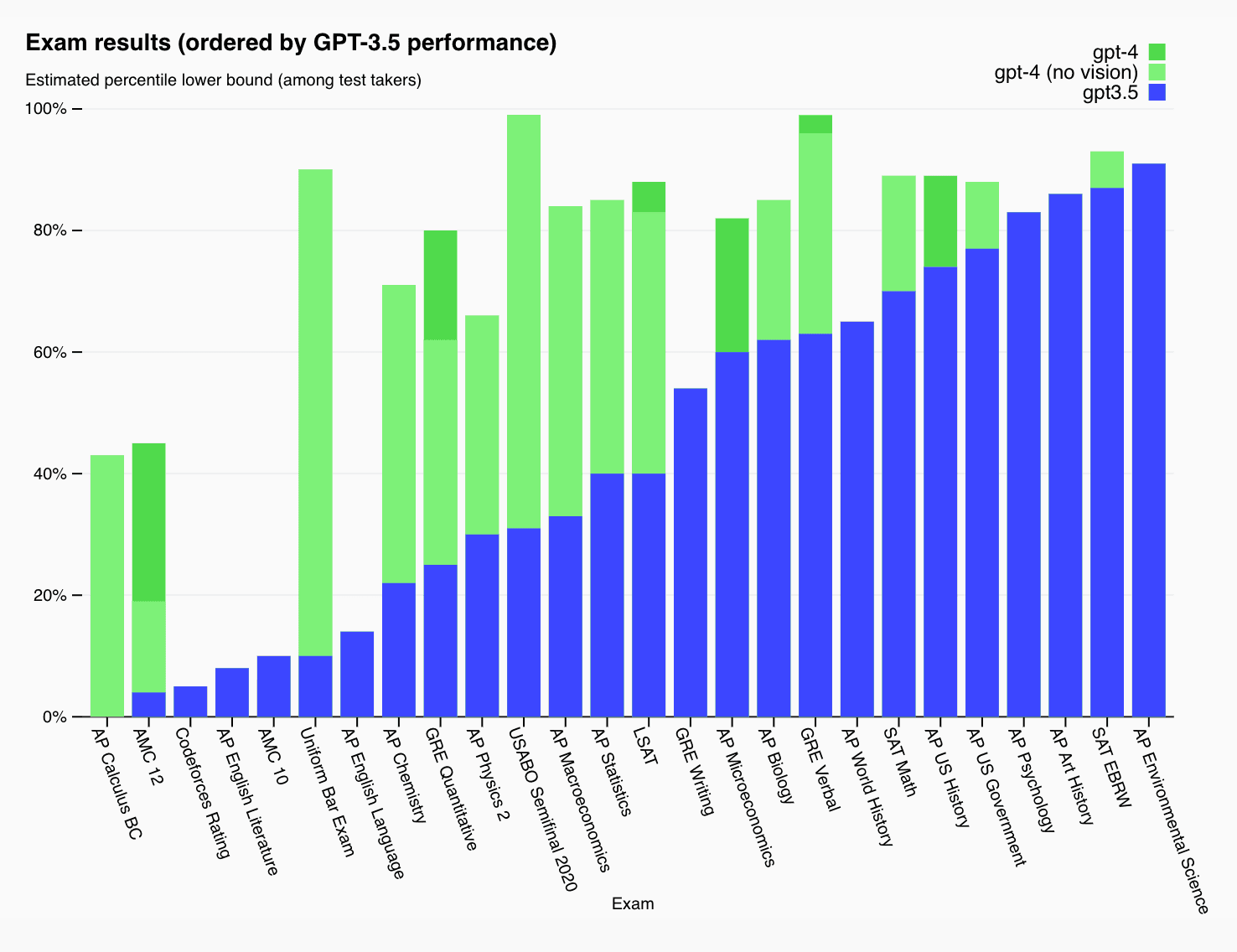
OpenAI GPT-4: Architecture, Interfaces, Pricing & Alternatives
What Is OpenAI GPT-4? OpenAI GPT-4, or Generative Pre-trained Transformer 4, represents the latest iteration in OpenAI’s series of large language models (LLMs), designed to understand and generate human-like text based on prompts. This model builds on the capabilities of its predecessors, enhancing its ability to handle more nuanced and complex language tasks. As of […]
RAG vs. LLM Fine-Tuning: 4 Key Differences and How to Choose
What Is RAG (Retrieval-Augmented Generation)? Retrieval-Augmented Generation (RAG) merges large language models (LLMs), typically based on the Transformer deep learning architecture, with retrieval systems to enhance the model’s output quality. RAG operates by fetching relevant information from large collections of texts (e.g., Wikipedia, a search engine index, or a proprietary dataset) and fuses this external […]
Leaderboard of LLM Leaderboards: Top 7 LLM Listings & Their Criteria
Explore the LLM leaderboard to discover the top-performing Large Language Models ranked by their performance and evaluations.
Prompt Engineering: Techniques, Uses & Advanced Approaches
Explore the essentials of prompt engineering to optimize interactions with AI and improve output quality from language models.