
Obot Learning Center – Page 7
Mistral 7B: Basics, Benchmarks, and How to Get Started
Explore Mistral 7B, a powerful language model with 7.3 billion parameters, offering exceptional performance for AI research.
Anthropic Claude: Features, Benchmarks, Versions & API Tutorial
Explore Anthropic Claude, an advanced AI language model designed for safety, steerability, and human-like text generation.
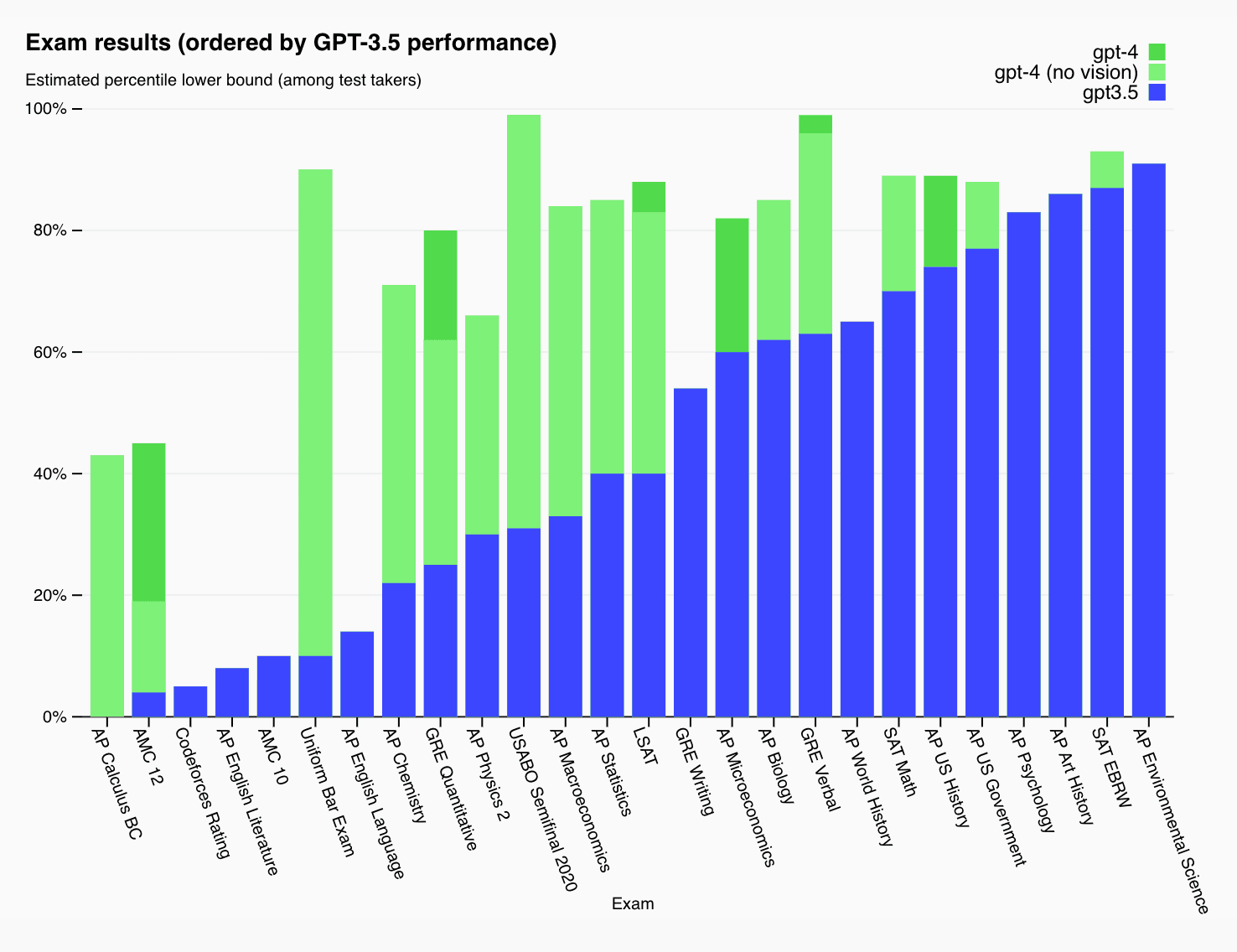
OpenAI GPT-4: Architecture, Interfaces, Pricing & Alternatives
What Is OpenAI GPT-4? OpenAI GPT-4, or Generative Pre-trained Transformer 4, represents the latest iteration in OpenAI’s series of large language models (LLMs), designed to understand and generate human-like text based on prompts. This model builds on the capabilities of its predecessors, enhancing its ability to handle more nuanced and complex language tasks. As of […]
RAG vs. LLM Fine-Tuning: 4 Key Differences and How to Choose
What Is RAG (Retrieval-Augmented Generation)? Retrieval-Augmented Generation (RAG) merges large language models (LLMs), typically based on the Transformer deep learning architecture, with retrieval systems to enhance the model’s output quality. RAG operates by fetching relevant information from large collections of texts (e.g., Wikipedia, a search engine index, or a proprietary dataset) and fuses this external […]
Leaderboard of LLM Leaderboards: Top 7 LLM Listings & Their Criteria
Explore the LLM leaderboard to discover the top-performing Large Language Models ranked by their performance and evaluations.
Prompt Engineering: Techniques, Uses & Advanced Approaches
Explore the essentials of prompt engineering to optimize interactions with AI and improve output quality from language models.
Understanding RAG: 6 Steps of Retrieval Augmented Generation (RAG)
What Is Retrieval Augmented Generation? Retrieval-augmented generation (RAG) is a technique that connects a large language model to external data at the moment it generates a response, instead of relying only on what the model learned during training. The term traces to a 2020 paper, “Retrieval-Augmented Generation for Knowledge-Intensive NLP Tasks,” from a team at […]